
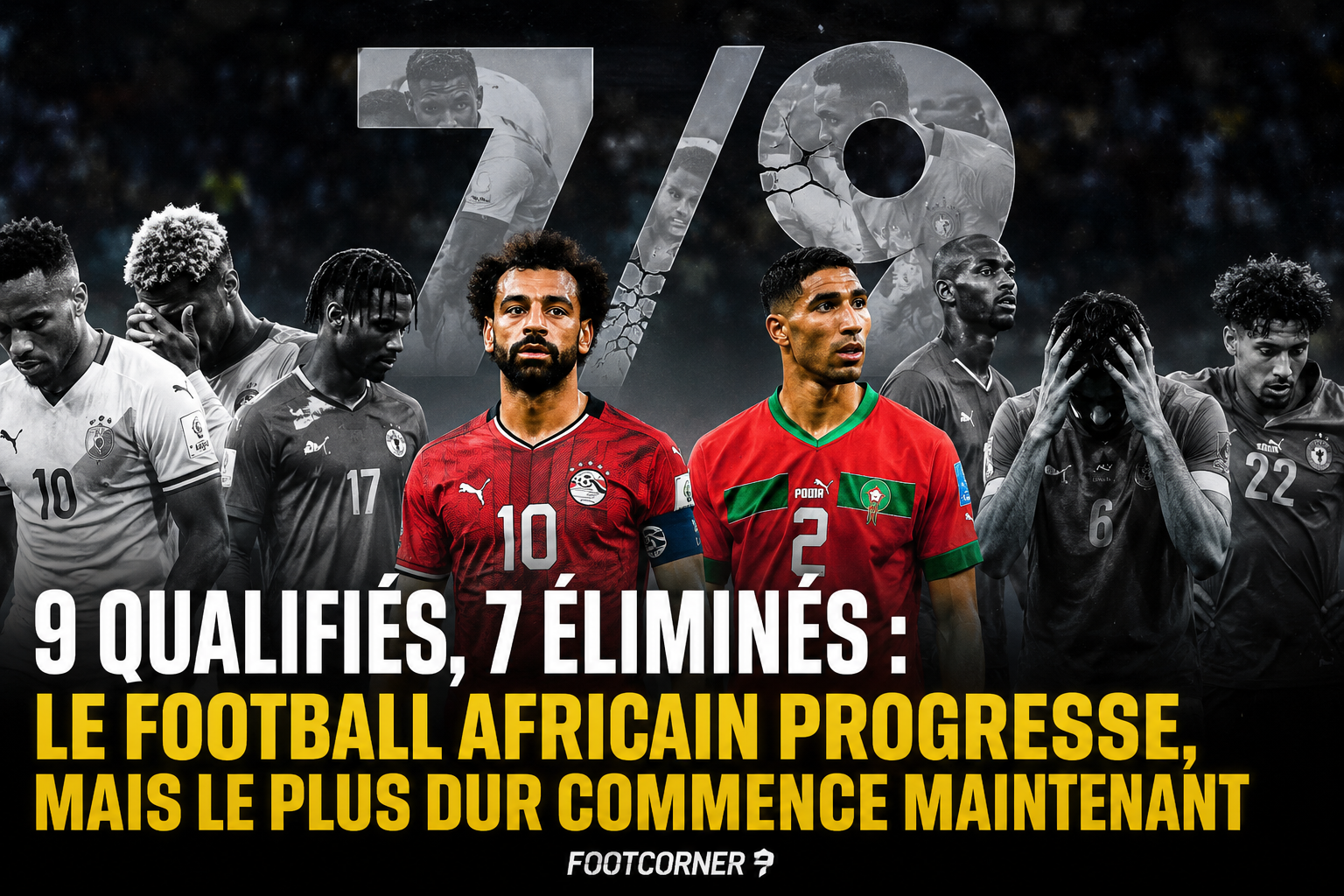
Just a few days ago, Africa was celebrating an unprecedented achievement: nine sides qualified for the knockout stage, a historic record bearing witness to the rise of African football on the world stage.
A few days later, the picture is more bitter. Seven of those nine teams were knocked out in their very first knockout match. Only Morocco and Egypt are still standing.
Should we call it a failure? Not so fast.
A record to put in perspective, but not to downplay
It is worth recalling first that this 48-team World Cup mechanically offers more opportunities to advance from the group stage than before. The new format inevitably contributed to this African record. But reducing these qualifications to a mere effect of the rules would be reductive and unfair.
Several of the continent's sides displayed a genuine level of play, unsettled major nations and confirmed that Africa now has a wider pool of talent than ever before. The message remains a positive one — as long as it is not seen as sufficient.
The next step: holding firm when it matters most
The knockout matches shed light on a more nuanced reality: the true challenge for African football now lies in the ability to manage the games that really count.
Senegal perfectly embodies this observation. Beaten after taking the lead, the Lions of Teranga leave the World Cup with many questions hanging over them. Criticism aimed at Pape Thiaw, tensions over squad management, controversies involving the federation and the sense that a generation is reaching the end of its cycle are fuelling a debate that goes well beyond a simple sporting result.
Eliminations with very different faces
Not all of these exits tell the same story. Some offer a glimpse of a promising future; others point to work still to be done.
- Cape Verde put in a heroic performance against Argentina and continued to confirm their progress on the international stage.
- DR Congo, at only their second-ever World Cup, showed that they have the foundations of a side capable of establishing themselves durably among Africa's best.
- Ghana and Algeria, for their part, are still in the middle of a rebuilding process that requires considerable further work before they can rediscover their best level.
Collective solidity, the key to resilience
Another lesson emerges clearly from this knockout stage: the most collectively solid African teams were also the ones that held out the longest. Defensive organisation, a compact shape, tactical discipline and the ability to manage difficult spells often made the difference against more experienced opponents.
Conversely, several sides paid a heavy price for lapses in concentration or a lack of composure in decisive moments — details which, at this level, are never forgiven.
A glass ceiling that has shifted
The tally of seven eliminations stings. But it must not obscure the bigger picture. African football is no longer simply trying to exist at a World Cup: it now aspires to win the matches that truly matter.
The glass ceiling is no longer at the group stage — it has shifted to the knockout rounds. That is undoubtedly the next great challenge the continent's national sides will have to overcome.

Comments
By posting, you agree to our privacy policy.