
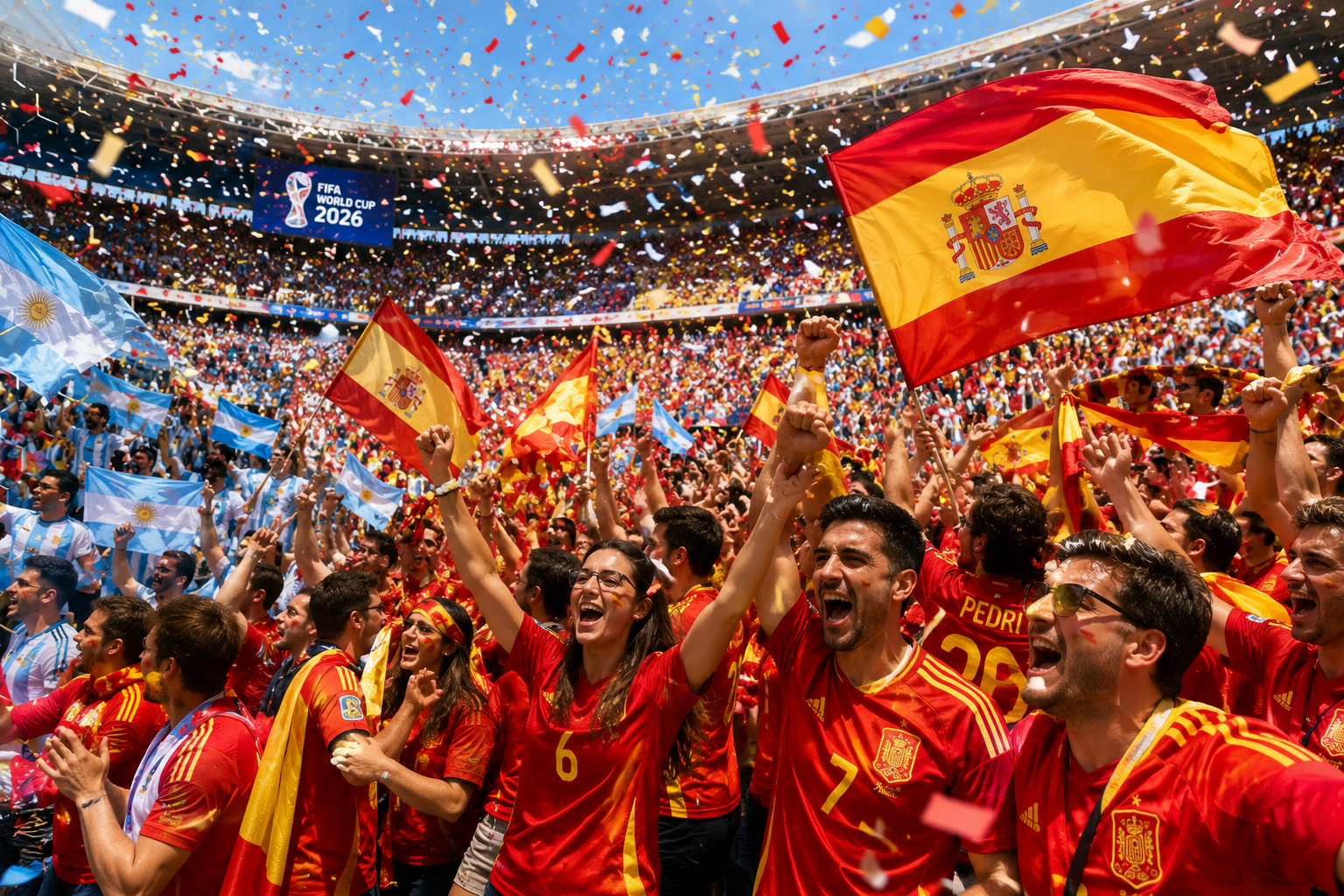
For 116 minutes, Argentina failed to register a single shot on target. It took until the 117th minute for the Albiceleste to attempt their first strike of the evening. A rare statistic at this level: never, in a modern World Cup final, had a team gone more than a hundred minutes without launching a single offensive attempt.
That figure alone sums up the nature of the contest. Spain sought to dictate play, to build and combine, while Argentina staked everything on defensive solidity and physical impact.
A strategy built on duels and physicality
La Roja pressed, combined and multiplied their movements in an attempt to break the lock. In response, the Albiceleste met them with a relentless physical challenge, closing down spaces and hoping for a flash of brilliance from Lionel Messi or another heroic save from Emiliano Martinez. But the resistance eventually gave way: in the 106th minute, Ferran Torres rewarded Spain's dominance after nearly two hours of sustained possession.
This final reflects the identity Argentina displayed throughout the competition. Since the tournament kicked off, the Albiceleste shone less through their transitional play than through their defensive rigour, the omnipresence of their goalkeeper and their remarkable capacity for resilience. Faced with Spain's technical mastery, the Argentinians intensified the duels to disrupt the rhythm and deny La Roja fluidity. An ultra-competitive approach that long unsettled their opponents' patterns, but ultimately proved too draining to sustain.
The Emiliano Martinez wall
The other defining feature of this final was the performance of the Argentine rearguard, embodied by Emiliano Martinez. The goalkeeper held back the tide on multiple occasions, finishing with 12 saves across the match. A figure that speaks to the relentless pressure his defensive block absorbed.
While Spain strung together attack after attack, Argentina had to hunker down, concentrated in their own half to repel each wave. Without this wall, the scoreline could have tipped far earlier.
A match fragmented by physical commitment
Unable to retain possession and impose their game, Argentina hardened the contest, turning the match into a brutal tactical battle. The disciplinary record reflects that tension:
- 25 fouls committed
- 5 yellow cards
- 2 dismissals
Enzo Fernández received a second booking late in the match, while Leandro Paredes was shown a red card after the final whistle. This determination to disrupt the rhythm long frustrated Spain, but it ultimately came at a heavy cost in terms of clarity and squad numbers.
Messi extinguished
Lionel Messi could not find the key to guide his side. Starved of space and constantly monitored by the Spanish midfield, the Argentine captain rarely received the ball in the final thirty metres of the opposition half. Isolated and deprived of serviceable possession, the Albiceleste's attack never truly threatened La Roja's defence.
Not managing their first attempt until the 117th minute illustrates just how effectively the Spanish game plan succeeded in smothering the preferred channels of the 2022 world champions.
The logic of the game rewarded
Ferran Torres' goal crowns a team faithful to its principles of positional play and possession — principles applied with success against Portugal, Belgium and France before this final. For nearly 120 minutes, Spain shouldered the responsibility of playing football against a compact but toothless Argentine block.
At the end of the suspense and the night, it was offensive ambition that made the difference.




Comments
By posting, you agree to our privacy policy.